March 6-8, 2026 • Litchfield Park, Arizona
Preventing Alzheimer’s
Weekend Seminar.
An intimate, science-based weekend for proactive individuals dedicated to lifelong brain health. This one-of-a-kind experience offers direct interaction with world-class physicians and researchers and is strictly limited to 30 participants. Register now.
The Experience
Science-based tools for a resilient future.
Led by Jeremy Pruzin, MD, this small, intimate event is designed for those who want to move beyond headlines and understand the real science of Alzheimer’s disease and dementia prevention.
Leading expert clinicians and scientists will provide accessible education and actionable strategies. This isn't just a lecture series; it's a transformative weekend where you will gain direct access to world-class expertise.
-
Intimate Setting
Limited to just 30 people to ensure personal connection.
-
Exceptional Dining
All meals and cocktail hours included, fostering conversation.
Watch Introduction
Dr. Jeremy Pruzin
Click to hear about the seminar vision directly from the faculty.
The Context
The New Era of Dementia Prevention
As life expectancy rises and the Baby Boomer generation ages, dementia prevalence is increasing at an alarming rate. Many people fear this outcome, often after witnessing a loved one suffer from Alzheimer’s disease. While these fears are understandable, scientific advancements now provide the tools to take more control and significantly reduce dementia risk.
Modifiable Risk Factors for Dementia
Targeting these factors supports long-term brain health and cognitive vitality.
The FINGER Study
A landmark trial finding that a multidomain lifestyle intervention can improve brain health and prevent cognitive decline.
Lancet Commission Report
Findings from this influential report reveal that roughly 40–50% of dementia cases are preventable through attention to modifiable risk factors across the lifespan.
US POINTER Study
A landmark national trial led by the Alzheimer’s Association demonstrating that a practical, multidomain lifestyle program can preserve cognitive function.
Your Proactive Approach to Brain Health
Advances in research are rapidly transforming our understanding. Stay informed and make evidence-based choices to lower your risk and promote long-term cognitive vitality by joining this small-group weekend seminar led by experts at the forefront of Alzheimer’s research and care.
Join the SeminarCurriculum
What You Will Learn
We address the most pressing questions in brain health with evidence, not hype.
Prevention Strategy
What can and should I be doing right now to significantly lower my future risk of dementia?
Diagnostics
Can I get a blood test for Alzheimer’s? What are the latest biomarkers for early detection?
Medications (GLP-1)
Does taking Ozempic or similar drugs lower my risk? What does the data say?
Genetics
Is Alzheimer’s genetic? How does inheritance work? What is amyloid and how does it build up?
Diet & Supplements
Which diets are protective? What is the evidence? Do supplements like Prevagen actually help?
Vascular Health
How does blood pressure relate to dementia risk? Why is midlife intervention critical?
Schedule
Seminar Agenda
* The Preventing Alzheimer’s Weekend Seminar is for educational and informational purposes only and does not constitute medical advice.
Friday — Day 1
FoundationIntroduction
Alzheimer’s Disease vs. Dementia: Biology & Definitions
Dr. Pruzin
- Difference between "Alzheimer’s" and "Dementia" (umbrella term)
- Genetics: APOE ε4 vs. rare deterministic mutations
- Amyloid biology: plaques, detection, and significance
- Other dementias: Vascular, Lewy Body, Frontotemporal
Q&A with Dr. Pruzin
Dinner and Social Hour
Saturday — Day 2
Risk & PreventionBreakfast
Modifiable Risk Factors: Intro & Overview
Dr. Tariot
A lifespan model of risk. Findings from Lancet, FINGER, and U.S. POINTER studies. Why midlife matters.
Risk Factors Part 1: Education, Diet, Sleep, TBI
Dr. Pruzin
- Cognitive reserve & education
- Nutrition (Mediterranean, MIND diets)
- Depression & mood disorders
- Sleep's role in clearing amyloid
- Traumatic brain injury (TBI) effects
Break
Risk Factors Part 2: Vascular Health
Dr. Pruzin
Blood pressure (SPRINT trial), Diabetes, Smoking, Obesity. "What's good for the heart is good for the brain."
Lunch
Risk Factors Part 3: Lifestyle & Sensory
Dr. Pruzin & Alison Pietras, PA-C
Physical activity, Social interaction, Alcohol, Medications, Hearing & Vision loss.
Practical Strategies to Implement Change
Dr. Pruzin
Turning science into action. Monitoring progress with tools/trackers. Small, consistent steps.
Blood Tests for Alzheimer’s Disease
Dr. Ashton
Development and availability (ptau217, Aβ42/40). Early detection years before symptoms.
From Molecule to Medicine
Dr. Alexander
Phases of clinical development. Evaluating safety & efficacy.
Vitamins, Supplements & Unproven Protocols
Dr. Tariot
Evidence vs. hype. How to evaluate claims critically.
Cocktail Hour and Dinner
Sunday — Day 3
Future & ActionBreakfast
Current Treatments for Alzheimer’s Disease
Dr. Pruzin & Alison Pietras, PA-C
Newly approved disease-modifying therapies, symptomatic treatments, and emerging pipeline.
Current Care for Alzheimer’s & Dementia
Alison Pietras, PA-C
Navigating memory clinics, clinical trials, insurance, and the multidisciplinary team.
Looking Forward: Prevention Strategies & The Future
Dr. Pruzin
Prevention trials, global strategies, and how individuals benefit today.
Participant Selected Topic
Dr. Pruzin
Closing Remarks
World-Class Expertise
Meet our Expert Faculty
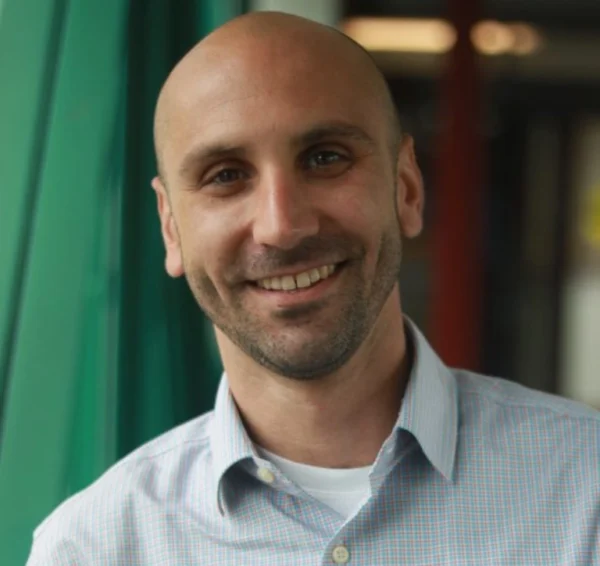
Jeremy Pruzin, MD
Lead Faculty • Neurologist • Researcher
Dr. Jeremy Pruzin is a board-certified neurologist specializing in cognitive and behavioral neurology, with a primary focus on Alzheimer's disease and related dementias. He serves as an Associate Professor of Neurology at the University of Arizona College of Medicine–Phoenix, leads research efforts at the Banner Alzheimer's Institute in Phoenix, Arizona, and is a key advisor and clinician at the specialized neurology telehealth service Synapticure.
Education and Training
Dr. Pruzin earned his medical degree from the Chicago Medical School at Rosalind Franklin University. He completed his neurology residency at Rush University Medical Center, followed by a fellowship in Cognitive & Behavioral Neurology at Harvard Medical School, with clinical training at Mass General Brigham.
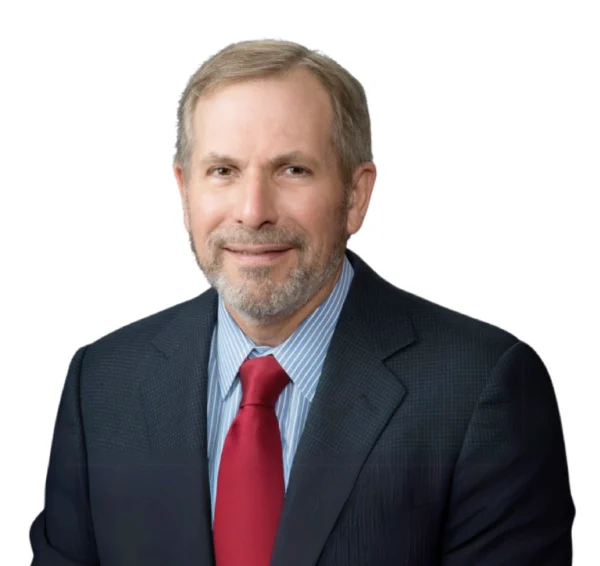
Pierre Tariot, MD
Expert Faculty • Research Leader
Dr. Pierre N. Tariot is a renowned Alzheimer’s disease researcher, clinician, and leader in dementia care innovation. He earned his medical degree from the University of Rochester and completed residencies in Internal Medicine and Psychiatry at the University of Wisconsin, becoming board-certified in Internal Medicine, Psychiatry, and Geriatric Psychiatry.
Groundbreaking Contributions
As the founding director of the Banner Alzheimer’s Institute and co-director of the Alzheimer’s Prevention Initiative, he has led groundbreaking efforts to advance prevention strategies and experimental therapies for Alzheimer’s. Dr. Tariot has served as Principal Investigator in over 50 clinical trials and authored more than 400 scientific publications, contributing to the development and FDA approval of Alzheimer’s treatments.
Guest Speakers
Meet the Expert Guest Speakers presenting at our Inaugural Seminar
Robert Alexander, MD
Psychiatrist & Neuroscientist
Dr. Robert Alexander is a psychiatrist and neuroscientist with decades of experience developing new treatments for brain disorders in the pharmaceutical industry.
- Chief Scientific Officer, Alzheimer’s Prevention Initiative
- Research Professor of Psychiatry, University of Arizona
- Oversees prevention trials & scientific strategy
Education
MD from University of Chicago. Residency at McLean Hospital/Harvard. Fellowships at NIMH and Columbia University.
Nicholas Ashton, PhD
Biomarker Pioneer
Dr. Nicholas Ashton is an internationally recognized researcher whose work helped create the first blood tests for early detection of Alzheimer’s disease.
- Senior Director, Biomarker Program, Banner Alzheimer’s Institute
- Associate Professor, University of Gothenburg
- Over 300 publications & multiple awards
Education
PhD from King’s College London. Contributed to advances in blood and CSF biomarkers in the Zetterberg group.
Alison Pietras, PA-C
Cognitive Neurology Clinician
Alison C. Pietras, PA-C, is a clinician-educator with extensive experience in landmark Alzheimer’s trials and real-world clinical implementation.
- Current: Mount Sinai’s Dean Center
- Prior: Brigham and Women’s, NYU Langone
- Clinical Trials: A4/AHEAD, ADNI/DIAN, lecanemab
Education
BA from Smith College. MPAS from Franklin Pierce University. Extensive career in cognitive neurology trials.
One-on-One Individual Sessions
Six exclusive 90-minute sessions available with Dr. Jeremy Pruzin. These sessions are personalized based on a pre-event questionnaire covering your lifestyle, medical history, and goals.
- Risk factor assessment
- Deep dive into personalized strategies
- Available Sunday afternoon or Monday (or remote)
* Sessions limited to 6 participants.
The Location
The Wigwam Resort
Litchfield Park, Arizona
Join us for an extraordinary weekend at the historic Wigwam Resort. A landmark of desert luxury since 1918, nestled among palm trees and glowing sunsets. It is the perfect backdrop for a transformative experience.
In addition to the educational content, your registration includes exceptional dining experiences, from cocktail hours to shared meals with the faculty, offering rare opportunities for personal connection.


What Your Registration Includes
Expertise
Two immersive days of science-based education led by Dr. Pruzin and elite faculty.
Dining
All meals included from Friday evening through Sunday lunch, plus cocktail hours.
Community
Access to the PACo community, quarterly newsletters, and webinars.
Preventing Alzheimer’s Community (PACo)
The weekend is just the beginning. Attendees receive ongoing benefits including quarterly newsletters, live webinar updates, and access to research opportunities.
Further Learning
Resources & Trials
The studies referenced are shared for educational purposes and should not be interpreted as medical recommendations or definitive prevention strategies. Individual outcomes may vary, and readers should seek guidance from qualified healthcare providers before making health decisions.
Trials and Studies of Interest
Click on each study below to learn about ongoing trials and observational studies, and to explore opportunities to join studies that are actively recruiting participants.
Trontier Program
Studies testing a new antibody treatment designed to help clear amyloid from the brain in people with early Alzheimer’s disease that may have fewer side effects than existing treatments.
Learn MoreTraveller
A program designed to find people who may qualify for future and ongoing studies of Trontinemab.
Learn MoreAhead 3-45
A prevention study using a medication already approved for symptomatic Alzheimer’s disease to see if it can slow or stop Alzheimer’s before symptoms begin.
Learn MoreTrailblazer-ALZ 3
A prevention trial testing whether the antibody Donanemab, a medication currently approved for persons with symptomatic Alzheimer’s disease, can help delay or prevent the earliest stages of Alzheimer’s disease.
Learn MoreNIA Registry on Alzheimer’s Trials
A national directory of 495 currently active Alzheimer’s research studies looking for participants via the National Institute on Aging.
Visit Registry Alzforum Clinical Trials Global Alzheimer’s Platform PACo Newsletter